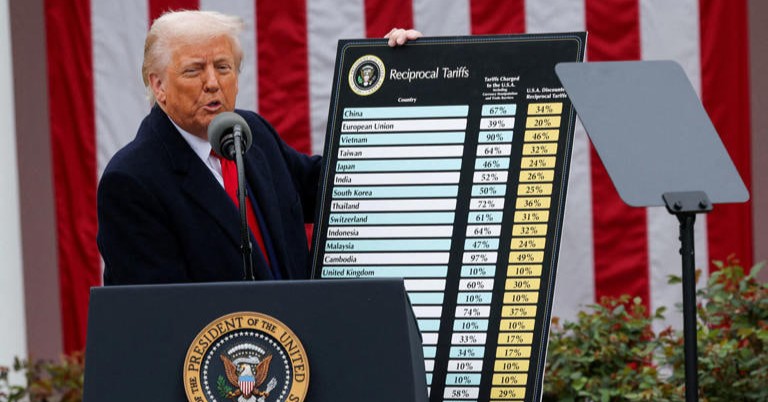
On Monday, U.S. Customs and Border Protection officially launched the CAPE portal, opening the door for more than 330,000 importers to reclaim tariffs paid between April 2025 and February 2026 under emergency IEEPA authority. The amounts at stake are extraordinary: approximately $166 billion in total duties, accruing roughly $650 million in interest every month. This moment traces back to the Supreme Court's 6-3 ruling in February declaring IEEPA an improper basis for tariff authority—marking the largest legal setback to the Trump administration's trade architecture in its second term. What looks like a legal resolution is better understood as the opening of a more complex second act.
The forces shaping this transition are operating simultaneously on legal and policy tracks. On the legal side, CAPE is being deployed in phases: the first phase covers entries liquidated within the past 80 days and is expected to account for over 60% of eligible refunds, with payments arriving 60 to 90 days after a declaration is accepted. A secondary market has already emerged, with hedge funds offering to purchase importer refund claims at a discount—a clear signal that markets see meaningful timeline and administrative risk in the process.
On the policy side, the administration moved quickly to replace IEEPA with Section 122 of the 1974 Trade Act, maintaining a 10% global baseline tariff, with Treasury Secretary Bessent signaling the rate could be reinstated more formally by July. Meanwhile, USTR has launched Section 301 investigations into more than 75 economies, laying the groundwork for the next round of sector-specific duties. Market opinion is divided: some analysts see judicial constraints as a long-term stabilizer for trade policy predictability, while others warn that the refund windfall will be short-lived, and that tariffs rebuilt on firmer statutory ground could ultimately entrench protectionism more durably.
Over the next three to six months, three variables will define the trajectory. First, whether CAPE can absorb the enormous filing volume without triggering a liquidity crisis for businesses waiting on refunds. Second, whether Section 122 authority is seamlessly extended past its 150-day window or leaves a policy gap. Third, whether Section 301 investigations translate into a new wave of industrial tariffs that once again reshuffle supply chain costs in pharmaceuticals, semiconductors, and metals. For investors, the refund window is a one-time cash flow tailwind, and the legal reconstruction underway will determine whether this period marks a genuine stabilization of U.S. trade rules or simply the opening move in the next cycle of policy disruption.