Since the outbreak of the conflict between the United States and Iran in late February 2026, the situation has now entered its fourth week, with Iran’s blockade of the Strait of Hormuz severely disrupting global crude oil supply. Brent crude prices briefly surged to USD 114 per barrel on March 22, marking an increase of more than 60% from around USD 70 before the conflict, while West Texas Intermediate (WTI) crude hovered near USD 98. The sharp rise in oil prices has begun to feed into inflation data, with the U.S. February CPI recording a slight increase and market expectations pointing to further inflationary pressure in March. Amid soaring energy prices and heightened geopolitical uncertainty, global equity markets have experienced volatility, with Dow Jones futures declining 0.73% and S&P 500 futures falling 0.61%. Higher energy costs are not only weakening consumer purchasing power but also increasing manufacturing expenses, and Taiwan’s energy import costs could rise by more than 20% year-over-year.
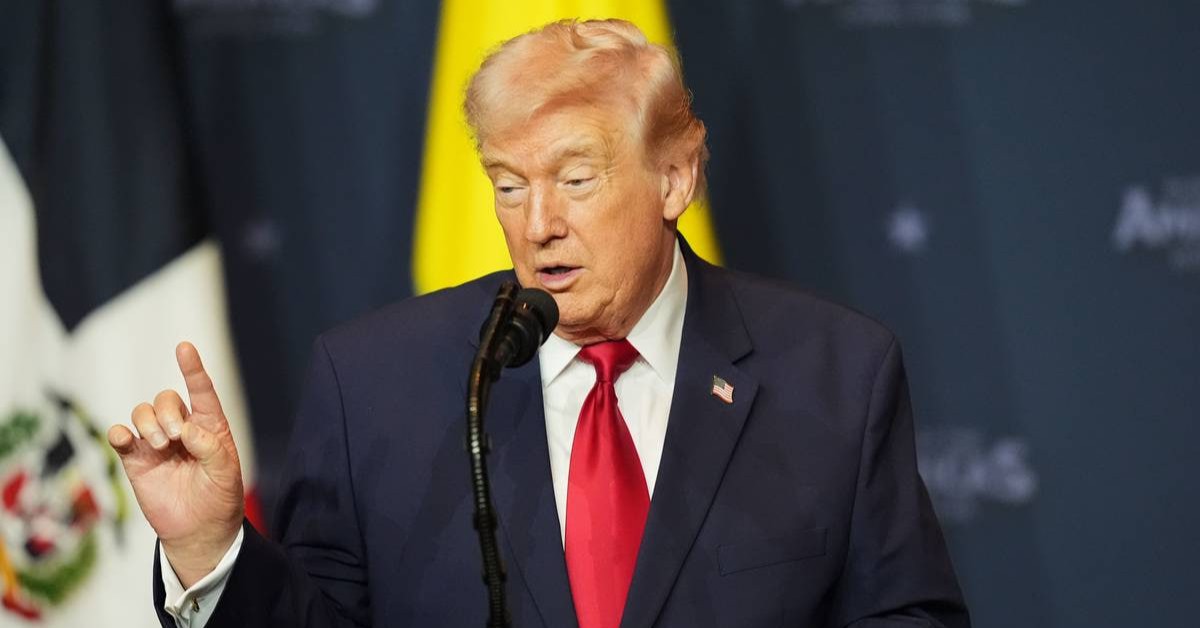
The key driver of turbulence in the global energy market lies in the Strait of Hormuz. The waterway transports approximately 20 million barrels of crude oil per day, accounting for about one-fifth of global supply; any disruption therefore creates a substantial supply gap. On March 22, U.S. President Donald Trump issued a 48-hour ultimatum demanding Iran reopen the strait, warning that failure to comply would result in strikes on Iranian power plants and energy facilities. Iran, in response, threatened retaliation against U.S. assets in the Middle East, escalating the risk of further confrontation. Recent joint U.S.-Israel airstrikes have reportedly destroyed multiple Iranian missile bases and naval facilities, with missile inventories declining sharply over the past 72 hours. However, Iran’s Revolutionary Guard continues retaliatory actions near Israeli nuclear facilities, increasing the geopolitical risk premium in oil markets. As energy supply instability spreads, several energy-intensive industries have begun to feel the impact. For example, aluminum smelters have shut down approximately 19% of production lines, further disrupting global supply chains. Markets are also concerned that the conflict could expand to Kharg Island, Iran’s key oil export hub, which could push oil prices toward the USD 120 range.
In the short term, if the United States delays military action and engages in substantive negotiations, oil prices could retreat below USD 100 per barrel, potentially allowing global equity markets to rebound. However, supply risks remain elevated. In the medium term, if the conflict continues through the end of March, oil prices could surge beyond USD 150, intensifying global inflationary pressure and forcing the Federal Reserve to maintain tighter monetary policy. Taiwan’s export-oriented manufacturing sector would also face rising cost pressures. Market participants should closely monitor signs of internal military shifts within Iran as well as progress in U.S.-Iran negotiations. While energy diversification and strategic reserves may partially mitigate the shock, persistent geopolitical tensions could continue to weigh on global economic growth through the second half of 2026. Investors may increasingly turn to safe-haven assets such as gold and the U.S. dollar while also tracking developments among alternative energy suppliers.